
Introduction
In today’s fast-evolving healthcare industry, efficiency and patient satisfaction are paramount. Medical practices are increasingly turning to digital solutions to streamline operations and reduce administrative burdens. One such innovation is the Virtual Medical Receptionist a game changing solution that ensures seamless communication, improved patient experiences, and cost-effective practice management.
This guide explores everything you need to know about virtual medical receptionists, including their roles, benefits, features, and how they can transform healthcare practices.

What Is a Virtual Medical Receptionist?
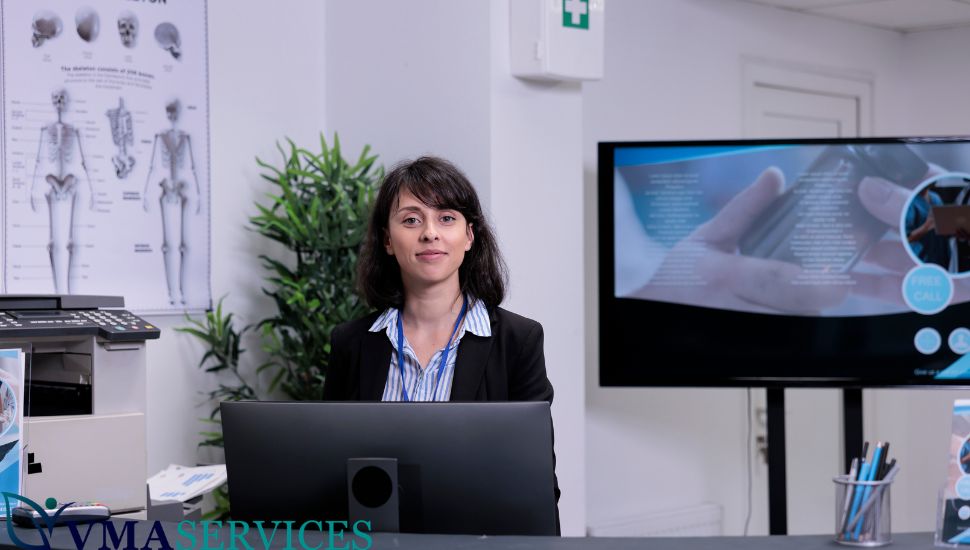
A Virtual Medical Receptionist is a remote professional who manages front-desk responsibilities for healthcare providers. Operating from a secure off-site location, they handle administrative tasks such as appointment scheduling, patient inquiries, call management, and insurance verification using HIPAA-compliant systems.
Unlike traditional in-house receptionists, virtual receptionists offer flexible, scalable, and cost-effective support without compromising service quality.
Simple Definition
A virtual medical receptionist is a trained healthcare administrative expert who remotely manages patient communications and front-office tasks for medical practices.
Why Healthcare Practices Need a Virtual Medical Receptionist
The growing demand for efficient and patient-centric care has made virtual receptionists an essential asset. They help practices focus on delivering quality healthcare while reducing operational stress.
Key Reasons to Adopt Virtual Receptionist Services
- Increasing patient call volumes
- Rising operational costs
- Need for 24/7 availability
- Administrative burnout among staff
- Growing demand for digital healthcare solutions
By outsourcing front-desk tasks, healthcare providers can enhance productivity and patient satisfaction.
Core Responsibilities of a Virtual Medical Receptionist
A virtual medical receptionist performs a wide range of administrative tasks that keep medical practices running smoothly.
1. Appointment Scheduling
They manage bookings, cancellations, and rescheduling to ensure efficient workflow and reduced no-shows.
2. Patient Call Management
Virtual receptionists handle incoming and outgoing calls professionally, ensuring every patient receives prompt assistance.
3. Insurance Verification
They verify insurance details to minimize claim denials and billing errors.
4. Patient Registration and Intake
They collect and update patient information securely and accurately.
5. Medical Billing Support
They assist with billing inquiries, payment reminders, and documentation.
6. Electronic Health Record (EHR) Management
They update patient records using secure and compliant healthcare systems.
7. Reminder and Follow-Up Calls
Automated and manual reminders help reduce missed appointments.
8. Telehealth Coordination
Virtual receptionists assist in scheduling and managing virtual consultations.
9. HIPAA-Compliant Communication
They ensure all patient data remains secure and confidential.
Key Features of Virtual Medical Receptionist Services
Healthcare providers benefit from advanced tools and technologies offered by virtual receptionist services.
| Feature | Description |
|---|---|
| 24/7 Availability | Ensures uninterrupted patient support |
| HIPAA Compliance | Protects sensitive patient information |
| Multilingual Support | Enhances accessibility for diverse patients |
| EHR Integration | Seamlessly connects with healthcare systems |
| Call Routing & Screening | Improves efficiency and response times |
| Appointment Reminders | Reduces patient no-shows |
| Telehealth Support | Facilitates virtual consultations |
| Customizable Services | Tailored to practice-specific needs |
Benefits of Hiring a Virtual Medical Receptionist
1. Cost Efficiency
Hiring a virtual receptionist eliminates expenses associated with salaries, office space, equipment, and employee benefits.
2. Enhanced Patient Experience
Prompt and professional communication builds trust and improves patient satisfaction.
3. Increased Productivity
Healthcare professionals can focus on patient care instead of administrative tasks.
4. 24/7 Patient Support
Round-the-clock availability ensures no call or appointment request is missed.
5. Reduced Administrative Burden
Delegating routine tasks allows in-house staff to concentrate on critical responsibilities.
6. Scalability and Flexibility
Practices can scale services according to patient volume and business needs.
7. Improved Revenue Cycle Management
Accurate scheduling and insurance verification reduce claim denials and improve cash flow.
8. Reduced No-Show Rates
Automated reminders help ensure patients attend their appointments.
9. Faster Practice Growth
Efficient operations allow healthcare providers to expand their services seamlessly.
Virtual Medical Receptionist vs. In-House Receptionist
| Feature | Virtual Medical Receptionist | In-House Receptionist |
|---|---|---|
| Cost | Affordable | Expensive |
| Availability | 24/7 Support | Limited to office hours |
| Scalability | Highly Scalable | Limited |
| Training | Industry-Specific | Requires Internal Training |
| Infrastructure | No Office Space Needed | Requires Workspace |
| HIPAA Compliance | Yes | Depends on Training |
| Efficiency | High | Moderate |
Industries and Specialties That Benefit
Virtual medical receptionists serve a wide range of healthcare providers, including:
- Hospitals and Clinics
- Private Medical Practices
- Dental Clinics
- Mental Health Professionals
- Dermatology Centers
- Chiropractic Clinics
- Pediatric Practices
- Telehealth Providers
- Urgent Care Centers
- Physical Therapy Clinics
How to Choose the Best Virtual Medical Receptionist Service
Selecting the right provider ensures optimal results for your healthcare practice.
Key Factors to Consider
- HIPAA Compliance – Ensures patient data security.
- Healthcare Industry Experience – Guarantees expertise.
- Technology Integration – Compatible with EHR and practice management systems.
- Customization Options – Tailored solutions for unique needs.
- Transparent Pricing – Avoids hidden costs.
- 24/7 Availability – Provides uninterrupted support.
- Multilingual Capabilities – Serves diverse patient populations.
- Positive Client Testimonials – Reflects reliability and quality.
How Virtual Medical Receptionists Improve Patient Satisfaction
Patient satisfaction is a critical factor in healthcare success. Virtual receptionists enhance experiences by:
- Reducing wait times
- Ensuring accurate scheduling
- Providing personalized interactions
- Offering timely reminders
- Delivering consistent communication
These improvements strengthen patient loyalty and boost online reviews.
Why Choose VMA Services for Virtual Medical Receptionist Solutions
If you’re seeking a reliable and professional solution, VMA Services delivers industry-leading support tailored to healthcare providers.
What Sets VMA Services Apart ?
Choosing the right virtual medical receptionist partner can significantly impact your practice’s efficiency, patient experience, and long-term growth. At VMA Services, we combine healthcare expertise, advanced technology, and personalized support to help medical practices operate more effectively.
HIPAA-Compliant Processes
Patient privacy and data security are our top priorities. Our HIPAA-compliant workflows ensure sensitive healthcare information is handled securely and professionally at every stage.
Highly Trained Healthcare Professionals
Our experienced virtual medical receptionists are trained in healthcare administration, patient communication, appointment management, and medical office procedures to deliver exceptional support.
24/7 Availability
Healthcare never stops, and neither do we. Our around-the-clock support ensures your patients can reach your practice whenever they need assistance.
Cost-Effective Solutions
Reduce overhead expenses associated with hiring, training, and maintaining in-house staff while gaining access to professional administrative support.
Seamless EHR Integration
Our team works efficiently with leading Electronic Health Record (EHR) systems, helping streamline patient scheduling, record management, and workflow coordination.
Customized Support for Medical Practices
Every healthcare organization is unique. We provide tailored virtual medical receptionist solutions designed to meet the specific needs of physicians, clinics, specialty practices, and healthcare groups.
Dedicated Customer Assistance
Our commitment extends beyond daily operations. We provide responsive customer support and ongoing collaboration to help your practice achieve optimal results.
Partner with VMA Services for Better Healthcare Operations
By partnering with VMA Services, healthcare providers can improve patient communication, optimize scheduling workflows, reduce administrative burdens, enhance operational efficiency, and support sustainable practice growth. Our virtual medical receptionist services empower healthcare teams to focus more on delivering exceptional patient care and less on time-consuming administrative tasks
Frequently Asked Questions (FAQs)
1. What does a virtual medical receptionist do ?
A virtual medical receptionist manages appointment scheduling, patient calls, insurance verification, and administrative tasks remotely.
2. Is a virtual medical receptionist HIPAA compliant ?
Yes, reputable service providers follow strict HIPAA guidelines to ensure patient data security and confidentiality.
3. How much does a virtual medical receptionist cost ?
Costs vary depending on service scope, but they are significantly lower than hiring an in-house receptionist.
4. Can virtual receptionists work 24/7 ?
Yes, many providers offer round-the-clock services to ensure continuous patient support.
5. What types of healthcare providers benefit from virtual receptionists ?
Clinics, hospitals, dental practices, telehealth providers, and private practitioners all benefit from these services.
6. Do virtual receptionists handle telehealth appointments ?
Absolutely. They schedule, coordinate, and manage telehealth consultations efficiently.
7. How do virtual receptionists improve revenue ?
They reduce no-shows, streamline billing, and improve patient retention, resulting in increased revenue.
8. Are virtual medical receptionists trained in healthcare systems ?
Yes, they are trained to work with EHRs, medical billing software, and practice management tools.
9. Can services be customized for my practice ?
Yes, most providers offer tailored solutions based on your specialty and operational needs.
10. How do I get started with a virtual medical receptionist ?
Simply contact a trusted provider, discuss your requirements, and implement a customized onboarding process.
Conclusion
A Virtual Medical Receptionist is an indispensable asset for modern healthcare practices seeking efficiency, cost savings, and enhanced patient experiences. By outsourcing front-desk responsibilities to skilled professionals, medical providers can focus on delivering quality care while optimizing operations.
As the healthcare industry continues to embrace digital transformation, investing in virtual receptionist services is no longer a luxury—it’s a necessity for sustainable growth and competitive advantage.